






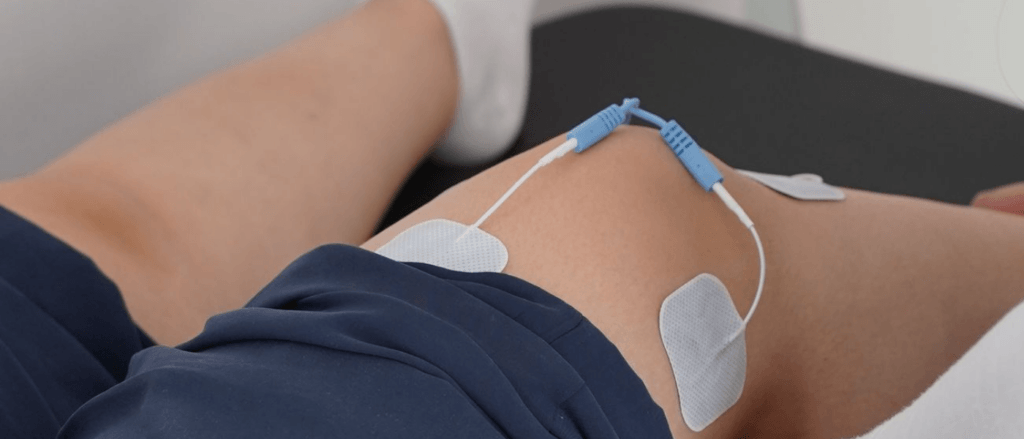
Knee Injury Claims: How to Make a Claim
Knee injury claims can arise after many different types of accidents, from slips and falls to workplace incidents and road traffic collisions.
If you have suffered a knee injury because of someone else’s negligence, you may be entitled to claim compensation for your pain, financial losses and the wider impact the injury has had on your life.
Understanding how the claims process works can help you take the right steps from the outset.
A knee injury can affect far more than your ability to walk comfortably. Depending on the severity of the injury, it may prevent you from working, driving, exercising or carrying out everyday tasks independently.
Some injuries heal with rest and treatment, while others require surgery, lengthy rehabilitation or ongoing medical care.
If your injury was caused by an accident that was not your fault, seeking legal advice can help you understand whether you have grounds to make a personal injury claim.
Reach out to us today on 0800 0747 644 or complete a Free Online Enquiry to tell us more about your situation.
“What can I say, it all felt totally seamless, it must have been hard work for your team, but for us it was no problem at all, so I would like to thank you sincerely and if I do ever need any help I will pay you a visit.
Thank you very much for your services and I would not hesitate in recommending you to anyone who needs a solicitor, thanks again,”
What Is A Knee Injury Claim?
A knee injury claim is a type of personal injury claim made when someone suffers an injury because another person, business or organisation failed to take reasonable care.
For a successful claim, it will usually be necessary to show that another party owed you a duty of care, that they breached that duty, and that this breach caused or contributed to your injury.
Every case is different. Simply suffering a knee injury does not automatically mean that another party is legally responsible. A personal injury solicitor can assess how the accident happened and advise you on whether there are reasonable grounds to pursue compensation.
Common Knee Injuries That May Lead To A Claim
The knee is a complex joint made up of bones, ligaments, tendons, cartilage and other soft tissues. An accident can therefore cause several different types of injury.
Common examples include ligament damage, such as anterior cruciate ligament or medial collateral ligament injuries, meniscus tears, fractures, dislocations, cartilage damage and soft tissue injuries.
Some knee injuries may initially appear relatively minor but continue to cause pain, swelling, instability or restricted movement. Others can have an immediate and serious impact, requiring surgery and extensive rehabilitation.
The nature and severity of the injury, together with its long-term effects, will usually be important when assessing the value of a claim.
Common Causes Of Knee Injuries
Knee injuries can occur in many different circumstances.
Accidents at work are one common cause. An employee might injure their knee because of a fall from height, unsafe equipment, inadequate training, heavy lifting or a slip on a hazardous surface.
Slips, trips and falls in public places may also result in knee injuries, particularly where flooring, walkways or other areas have not been maintained safely.
Road traffic collisions can cause knee injuries when the joint strikes the dashboard or another part of a vehicle, or when the leg is twisted or subjected to a sudden force.
Other claims may arise from accidents in shops, leisure facilities, private premises or sporting environments where another party has failed to take reasonable precautions.
Whether compensation can be claimed will depend on the circumstances of the accident and whether negligence can be established.
Can I Make A Knee Injury Claim?
You may be able to make a claim if your knee injury was caused by the negligence of another person or organisation.
In general, a claim will involve establishing that the responsible party had a duty to take reasonable care for your safety, that they failed to meet that duty, and that their actions or omissions caused your injury.
Liability is not always immediately clear. In some cases, the other party may dispute responsibility or argue that the injured person contributed to the accident.
A solicitor can review the available evidence, investigate what happened and advise you on the strength of your claim.
What Should I Do After Suffering A Knee Injury?
Your health should be the priority following an accident. Seek appropriate medical attention, even if the injury initially appears manageable. Some knee injuries may become more noticeable in the hours or days after an accident.
Where possible, you should also report the accident to the relevant person or organisation. For example, an accident at work should normally be reported to your employer, while an accident in a shop or other business premises should be reported to management.
Photographs of the accident location, the hazard that caused the accident and any visible injuries may be useful. If anyone witnessed what happened, obtaining their contact details can also help.
Keep receipts and other records relating to expenses caused by your injury. These might include travel costs, treatment expenses or evidence of lost earnings.
It can also be helpful to keep a record of your symptoms, treatment and the ways in which the injury affects your everyday life.
“I can’t think of any way you could improve your service as I have found everything from start to finish first class.”
How To Start A Knee Injury Claim
The first step is usually to speak with a personal injury solicitor about the circumstances surrounding your accident.
During an initial discussion, your solicitor will want to understand how the accident happened, when and where it occurred, what injury you suffered and what evidence may be available.
If there are grounds to proceed, your solicitor can begin investigating the claim. This may involve obtaining accident records, photographs, witness statements and other relevant evidence.
The person or organisation believed to be responsible will then usually be notified of the claim. Their insurers or legal representatives may investigate the circumstances and respond on the issue of liability.
Your solicitor can manage this process on your behalf and keep you informed as the claim progresses.
Medical Evidence And Knee Injury Claims
Medical evidence is an important part of many knee injury claims.
You may be asked to attend an independent medical assessment so that an appropriate medical expert can evaluate your injury.
The expert may consider the treatment you have already received, your current symptoms, your expected recovery and whether you are likely to need further treatment, rehabilitation or surgery.
This evidence helps establish both the extent of your injury and the effect it may have on your life in the future.
Two people with apparently similar knee injuries can have very different experiences. One person may make a relatively quick recovery, while another may continue to experience pain, reduced movement or difficulty working. Compensation should therefore be assessed according to the individual circumstances of the claim.
What Can Compensation Cover?
Compensation in a personal injury claim is intended to take account of both the injury itself and the financial consequences of the accident.
The amount awarded for the injury will depend on factors such as its severity, the level of pain experienced, the length of the recovery period and whether any symptoms are expected to be permanent.
You may also be able to recover reasonable financial losses caused by the injury.
These could include loss of earnings, medical and rehabilitation expenses, travel costs and the cost of care or assistance you have required because of your injury.
Where a serious knee injury is expected to affect your ability to work or live independently in the future, anticipated future losses and care needs may also need to be considered.
A solicitor can help identify the losses that should form part of your claim and gather the evidence required to support them.
How Long Do Knee Injury Claims Take?
There is no single timescale for resolving a knee injury claim.
A relatively straightforward claim in which responsibility is accepted and the injury has healed may be concluded more quickly than a case involving a serious or complicated injury.
Claims can take longer where liability is disputed, further investigation is required or the long-term medical outlook is not yet clear.
In more serious cases, it can be important not to settle a claim before the likely future impact of the injury is properly understood. Accepting compensation too early could mean that future treatment costs, loss of earnings or other ongoing needs are not fully taken into account.
Your solicitor should keep you updated throughout the process and explain the factors affecting the progress of your individual claim.
Is There A Time Limit For Making A Knee Injury Claim?
Personal injury claims are subject to legal time limits, and the applicable deadline can depend on the circumstances of the case.
There may also be different rules in certain situations, including claims involving children or people who lack capacity.
For this reason, it is sensible to seek legal advice as soon as reasonably possible after an accident. Acting promptly can also make it easier to gather evidence while events are still fresh and relevant records remain available.
A solicitor can advise you on the specific time limit that applies to your circumstances.
Why Instruct A Specialist Personal Injury Solicitor?
Making a personal injury claim can involve medical evidence, questions about responsibility, financial calculations and negotiations with insurers.
A specialist personal injury solicitor can handle these issues for you while explaining each stage of the process in straightforward language.
They can investigate how the accident occurred, gather supporting evidence, arrange appropriate medical assessments and identify the financial losses resulting from your injury.
Where necessary, they can also consider the longer-term impact of the injury, including any future treatment, care requirements or effect on your ability to work.
Having professional legal support can help ensure that your claim is properly prepared and that the full effect of your injury is taken into account.
How Grieves Solicitors Can Help With Knee Injury Claims
At Grieves Solicitors, we understand how disruptive a knee injury can be. Pain, restricted movement and time away from work can affect both your independence and your financial security.
Our personal injury solicitors can listen to what happened, explain your options clearly and advise you on whether you may have grounds to pursue compensation.
If we are able to assist with your claim, we can guide you through the process, gather the evidence required and deal with the relevant parties on your behalf.
If you have suffered a knee injury in an accident caused by someone else’s negligence, contact Grieves Solicitors to discuss your circumstances and find out how we may be able to help.
Our caring and supportive team are here to listen and advise on 0800 0747 644. Or you can complete a Free Online Enquiry to set up a free consultation or tell us more about your story.
Here at Grieves Solicitors, Personal Injury Specialists, we offer a no win, no fee solution to funding your claim (a conditional fee agreement) which means that you do not have to worry about legal costs and expenses. You can read about our no win, no fee agreement here.
Let us help you
 What to do after a workplace accident?